



Libya
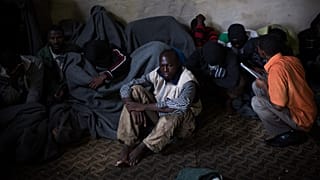
Dozens of migrants pose lined up in front of the press at a detention center in Libya. With these images recorded last May, the Libyan government was trying to deny that torture and rape of migrants were taking place in the country with impunity, as denounced by several NGOs.
But the situation does not seem to have changed since then, nor have the allegations of mistreatment of migrants in detention, at least in the view of Mohamed Noor, an asylum-seeker from Daraa, Syria.
"Well, now my foot is badly injured because I had to swim from a Zawiya boat, because I couldn't you know be seen from the Libyan coastguard, the Libyan militias, those criminals. If not, they will apprehend, they would apprehend us, they would apprehend us and may kill us'' says Noor. "Because last year I've seen people get killed from the Libyan coastguard, maybe eight or seven people from African nationalities. They were killed." Noor who has now fled Libya added.
Although their numbers have been reduced this year, the flow of refugees continues to arrive on European shores.
Despite recurrent but hardly verifiable complaints from migrants, the European Union seems to turn a deaf ear and continues to cooperate with Tripoli.
In early August, Human Rights Watch (HRW) accused the European border agency Frontex of supporting Libyan forces with drones to intercept migrant boats. European money, they alleged, funds torture in Libya.




00:58
M23 rebels claim control of Uvira in eastern Congo, threatening peace deal with Rwanda
00:13
100 Nigerian schoolchildren back home after kidnapping
01:04
EU approves draft overhaul of migration policy
01:12
Mozambique: surge in violence displaces more than 100,000 people
01:47
Somali migrant recounts torture in Libya but says hope for a better life still drives him
01:33
UN sounds alarm as violence in northern Mozambique forces over 100,000 to flee